Qualify a resource
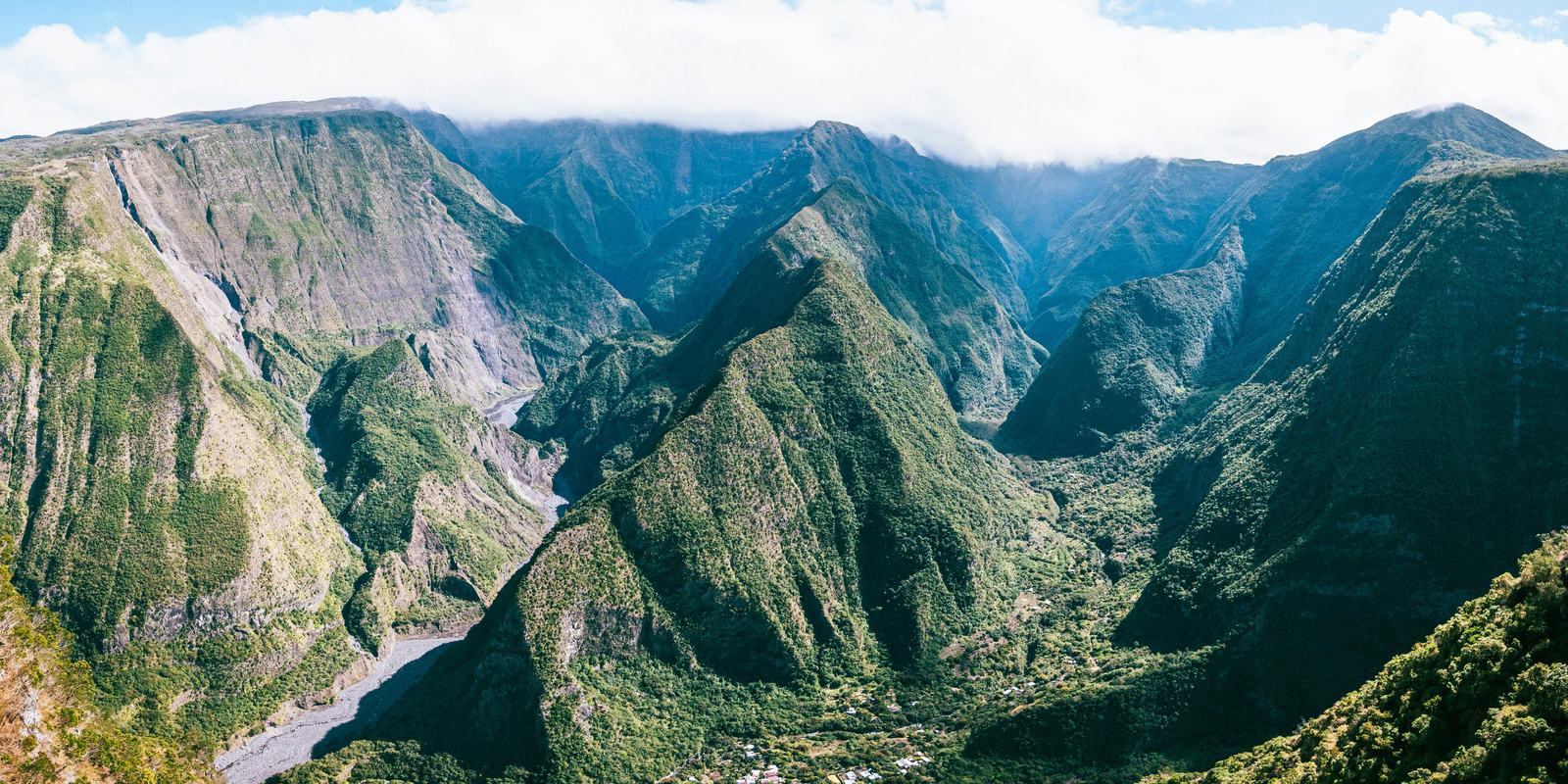
Assess a candidate ingredient, then assemble what a buyer needs to decide.
- Feasibility review: availability, sustainability, regulatory outlook
- Qualification dossier bringing together scientific, regulatory and commercial data
Trusted third party · Indian Ocean
Omunis identifies, authenticates and documents the natural bioresources of the Indian Ocean, connecting producers and industrial buyers around shared evidence: new routes to market on one side, traceable supply on the other.
One capability, both sides of the chain
We build trust between producers and industrial buyers by de-risking both ends of the same supply chain.
We clear the technical, regulatory and commercial obstacles that keep cosmetics, fragrances, nutraceuticals, pharmaceuticals and colorants out of reach.
For producers
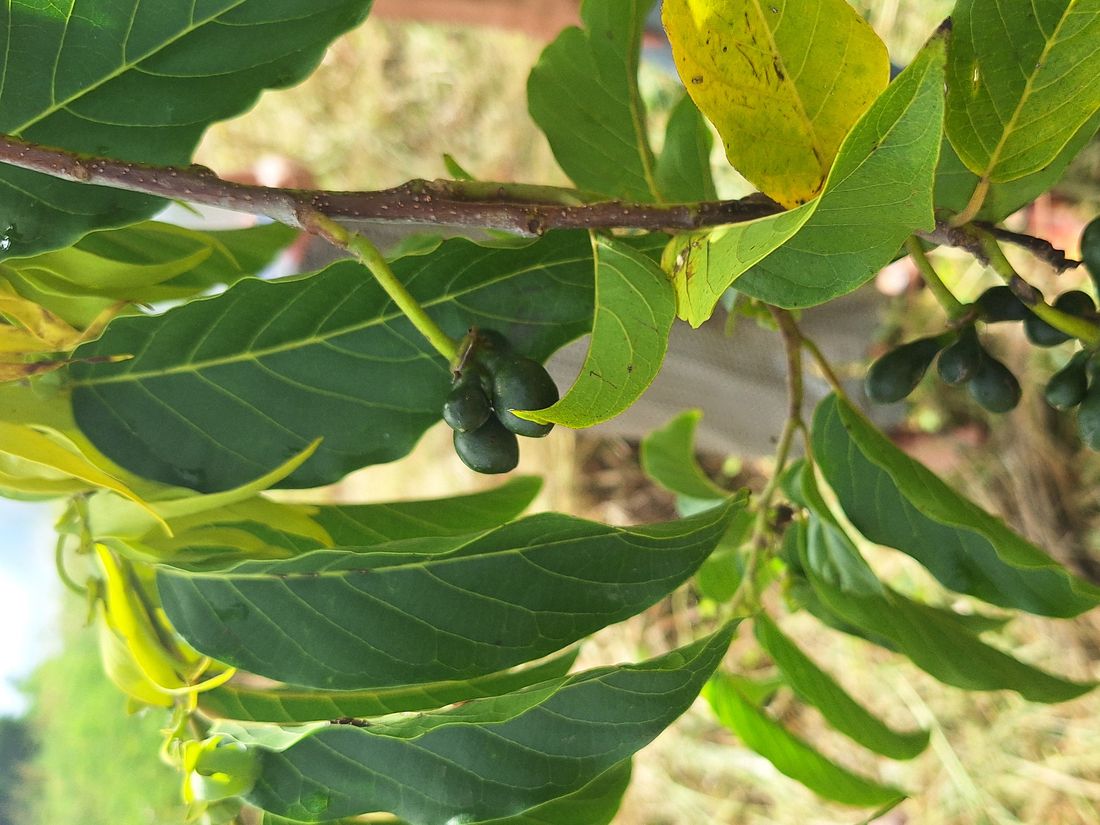
We document and position your ingredients to open lasting commercial opportunities, while keeping value in the region.
For industrial buyers
We open access to fully traced and documented ingredients, so you can build new supply chains and grow your markets internationally.
Our services
Assess a candidate ingredient, then assemble what a buyer needs to decide.
Establish the plant's origin, the processing chain and the legal framework for its use.
Connect an Indian Ocean resource to a confirmed industrial need, and build the supply chain behind it.
The ingredient passport
A continuous method, built on shared trust, that turns a promising resource into a market-ready ingredient.
Identify and characterize the ingredient through scientific analysis: identity, composition, markers.
Document the origin and the supply chain, from producer to buyer.
Collect the technical, legal, regulatory and commercial information and bring it together in an ingredient dossier a buyer can use directly.
Bring producer and buyer together around a market-ready dossier and shared evidence.
Why we exist
Since 2014, Omunis has been turning science into products and value: first in human health, with a range of infectious disease detection tests; today in the green economy, with the natural bioresources of Réunion Island and the Indian Ocean.
Two fields, one capability.
Regional roots
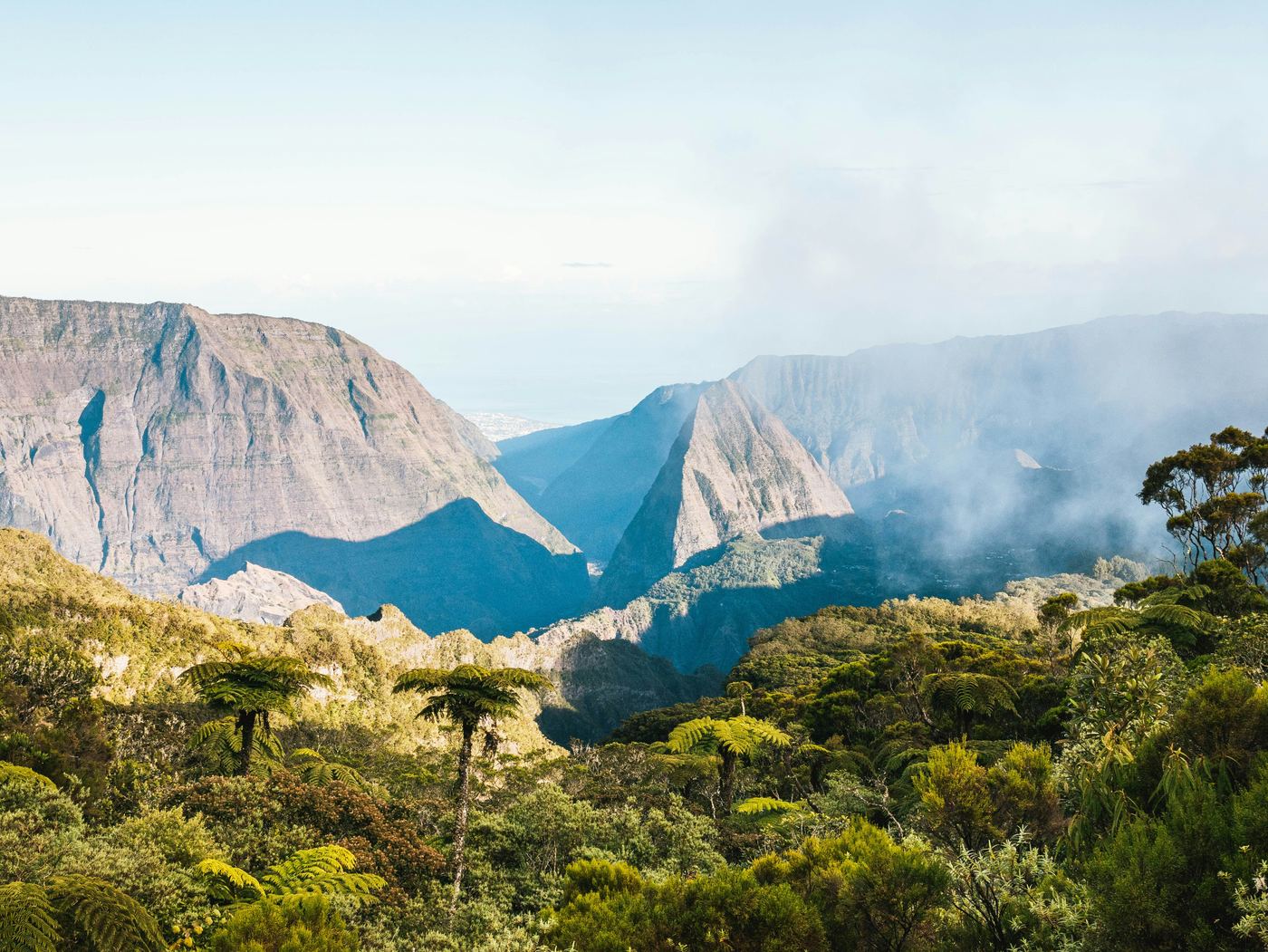
Omunis is part of the regional effort to develop biodiversity and the bioeconomy.
Between the producer and the industrial buyer, data stays scattered, dossiers are rarely standardized, and regulatory expertise is out of reach for small organizations. Omunis takes on that link, alongside those already working in the sector.
Twelve years of milestones
Omunis was founded in Montpellier in 2014, out of the work of the PCCEI laboratory (University of Montpellier, University of the French West Indies, INSERM, Montpellier University Hospital), where Pierre-Alain Rubbo completed his doctorate.
Its mission: to turn scientific research into practical, accessible solutions for infectious disease detection.
A winner of i-Lab, France's national competition for innovative start-ups, Omunis developed its first scientific and industrial collaborations in Europe, Africa and Asia. It was also awarded Jeune Entreprise Innovante status, France's innovative start-up scheme.
Omunis developed and marketed kits and products for seven infectious diseases, among them viral hepatitis, HIV, tuberculosis, leptospirosis and syphilis.
Its work combined R&D, technology transfer, intellectual property and international collaborations, with particular attention to resource-limited settings.
In 2016, its tuberculosis work took it to the final of the Concours mondial d'innovation, France's national innovation competition, run by Bpifrance.
In 2020, the company also adapted its activities to contribute to the Covid-19 response.
Omunis paused its operational development, continuing its advisory work on bringing research to market, while Pierre-Alain Rubbo joined the French Ministry for Europe and Foreign Affairs to develop partnerships with several West African countries and carry France's global health policy.
Five years alongside governments, international organizations and people working in the field, which widened the original Omunis vision.
Science, health, innovation, sovereignty and the development of local resources proved closely connected.
Omunis settles on Réunion Island, within GIP CYROI, the region's leading platform for biomedical research and innovation, opening a new phase of its development.
The company keeps its scientific DNA while widening its scope to the development of Indian Ocean bioresources, a strategic issue for the region's economy.
One ambition remains: to turn the potential of living resources into useful, accessible innovations that create value for the regions that hold them.
Get in touch
Producers, manufacturers, institutional partners: let's talk about your project.
contact@omunis.com